Nature is powerful medicine for the body and brain

February 26, 2016

Have you ever wondered why a walk in the woods makes you feel so good? While that Zen feeling is partly about "getting away from it all," studies show time in nature is also powerfully therapeutic for the body and brain.


More than half of the world's population lives in an urban setting, and by 2050 that number will increase to a whopping70 percent. Urbanization disconnects us from nature with measurable effects on our health. For example, city dwellers are at a 40 percent higher risk for mood disorders than rural folk.


Eight reasons nature is powerful medicine for your body and brain


Spending time in nature is known for its anti-inflammatory effects, and its positive impacts on mood and depression. Here are eight great reasons to spend more time in nature:


1. Vitamin D: Exposure to sunlight enables us to produce this critical hormone. In our increasingly indoor world, many people find they are deficient in Vitamin D. This can lead to a variety of health problems, including depression. Vitamin D is also critical to regulating inflammation.

2. Improved sleep: Sleep patterns are tied to the sun's schedule. Spending too much time indoors away from natural light can alter this rhythm, which plays a role in many metabolic processes and mental health. Early morning exposure to sunlight has been shown to recalibrate the sleep cycle, and one study found participants were cured of insomnia in one week ofcampingoutdoors with no exposure to electronics or electric light.

3. Increased emotional stability and empathy: People who spend time in nature show increased activity in parts of the brain responsible for empathy, emotional stability, and love. In case you were wondering, yes, urban environments, have the opposite effect of promoting fear and anxiety.

4. Grounding: A study in the Journal of Alternative and Complementary Medicine reported that grounding (bare-skinned contact with the earth) can have an intense anti-inflammatory and energizing effect on the body.

5. Creativity: A study of backpackers found that after four days in nature, subjects scored 50 percent better on a creativity test.

6. A breath of fresh air: Outdoor air really is fresher than indoor air! The EPA states that indoor pollutants are 2 to 100 times higher than outdoor pollutants!

7. Improved mood: A Stanford study showed that participants who walked for 90 minutes in a natural environment were less apt to focus on life's shortcomings compared to subjects who walked along a busy highway. Added bonus: Time in the sun boosts serotonin, a brain hormone responsible for happiness.

8. Renewed mental focus: Interaction with nature gives your brain a break from everyday stimulation, allowing it to restore your attention levels.


Hit the hills!

Live in a city with no green space nearby? Try to get out of town into nature as often as you can. But even roaming the green places in your city can bring great benefits. And don't worry if you aren't capable of a vigorous hike; even non-exercise activity has solid benefits.


What are you planning for your next outdoor excursion?

July 24, 2026
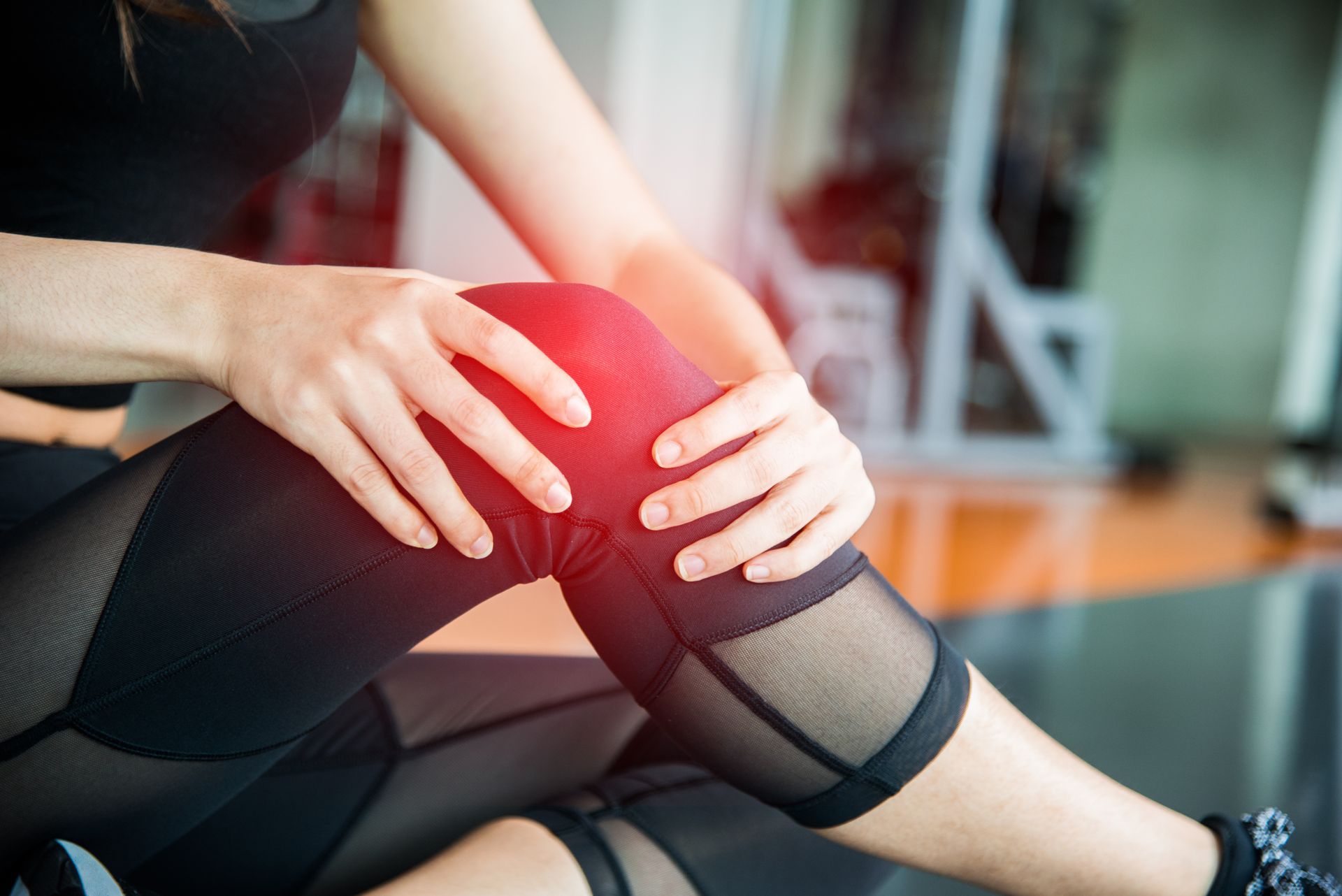
Living with chronic pain often means thinking differently about everyday tasks. While medical treatment is an important part of pain management, small changes to your home, daily routine, and the tools you use can also make life more comfortable. These practical lifestyle strategies can help reduce unnecessary strain, conserve energy, and make it easier to stay engaged in the activities that matter most.  At Chronic Care of Richmond, we believe that effective chronic pain management is about creating sustainable habits that support your quality of life—not just managing symptoms. Create a Pain-Friendly Home Environment Your home should work for you, not against you. Simple modifications can reduce repetitive movements, awkward bending, and prolonged standing that may aggravate chronic pain. Consider making adjustments such as: Placing frequently used items at waist or shoulder height to minimize bending and reaching Using lightweight cookware and kitchen utensils Installing lever-style door handles that require less grip strength Adding non-slip rugs or removing tripping hazards Choosing supportive chairs with armrests to make standing easier Keeping commonly used items on each level of your home to reduce unnecessary trips up and down stairs If you spend long hours working at a desk, ergonomic adjustments can also make a significant difference. Position your computer monitor at eye level, keep your feet flat on the floor, and use supportive seating that encourages good posture. Work Smarter, Not Harder One of the most valuable skills for people with chronic pain is learning to pace daily activities. Instead of trying to finish everything at once, divide larger tasks into smaller, more manageable steps. For example: Fold one basket of laundry, then rest before putting clothes away. Clean one room each day instead of the entire house. Prepare ingredients for dinner earlier in the day when your energy is higher. Many people find that alternating physical activities with seated tasks helps reduce discomfort throughout the day. This approach—often called activity pacing—can help prevent the "boom-and-bust" cycle, where overdoing activities on a good day leads to increased pain and fatigue afterward. Self-management strategies like pacing are commonly recommended for people living with chronic pain and arthritis. Plan Around Your Best Hours Pain levels often fluctuate throughout the day. Pay attention to when you typically feel your best and schedule more demanding activities during those times. You might: Grocery shop in the morning if you have more energy. Schedule appointments during your most comfortable hours. Save paperwork or computer work for times when physical activity feels more difficult. Keeping a simple journal of your daily pain patterns can help identify routines that support better days. Use Helpful Gadgets That Reduce Strain Modern assistive devices aren't just for people with significant mobility limitations. Many simple tools can reduce stress on joints and muscles while making everyday tasks easier. Helpful options include: Grabber or reacher tools for picking up objects Electric can openers and jar openers Long-handled shoehorns Rolling laundry baskets Shower chairs or handheld showerheads Supportive seat cushions Heating pads or reusable cold packs for temporary symptom relief when appropriate Voice-controlled smart home devices for lights, thermostats, and reminders These small conveniences can reduce repetitive movements that contribute to discomfort while helping you maintain independence. Organize to Minimize Extra Movement A little organization can save hundreds of unnecessary steps each week. Try creating dedicated stations throughout your home: Keep medications in one organized location. Store cleaning supplies on every floor if you have a multi-level home. Keep chargers, reading glasses, and frequently used items within easy reach. Use baskets or rolling carts to transport multiple items in one trip. The less unnecessary movement required, the more energy you can devote to activities you enjoy. Make Rest Part of Your Routine Rest is an important part of managing chronic pain, but staying inactive for long periods can sometimes increase stiffness and reduce mobility. Finding a balance between activity and rest is key. Instead of waiting until you're exhausted, consider scheduling short recovery breaks throughout the day. Examples include: Sitting down for 10 to 15 minutes after completing household chores Stretching gently between work sessions if recommended by your healthcare provider Taking a brief walk around the house after prolonged sitting Practicing relaxation or breathing exercises during scheduled breaks Regular movement paired with planned rest helps many people maintain better function over time. Health organizations recommend staying as active as your condition allows , even if activity is broken into shorter sessions. Build Sustainable Habits There's no single "hack" that solves chronic pain. Instead, lasting improvements often come from combining small, practical changes that reduce strain and make everyday life more manageable. Whether it's reorganizing your kitchen, pacing household chores, using assistive devices, or planning activities around your energy levels, these strategies can help support greater independence and comfort. Self-management techniques, combined with guidance from your healthcare provider, are widely recognized as valuable tools for improving daily function and quality of life for people living with chronic pain. If chronic pain is interfering with your ability to enjoy daily life, the team at Chronic Care of Richmond can work with you to develop a comprehensive, personalized treatment plan that supports your long-term health, mobility, and overall well-being.
old people exercising
July 17, 2026
Discover daily habits that may help manage peripheral neuropathy, improve comfort, support nerve health, and enhance mobility and quality of life.
iv drip
July 3, 2026
New to IV therapy? Learn what to expect during your first IV therapy session at Chronic Care of Richmond, from consultation to recovery.
More Posts